
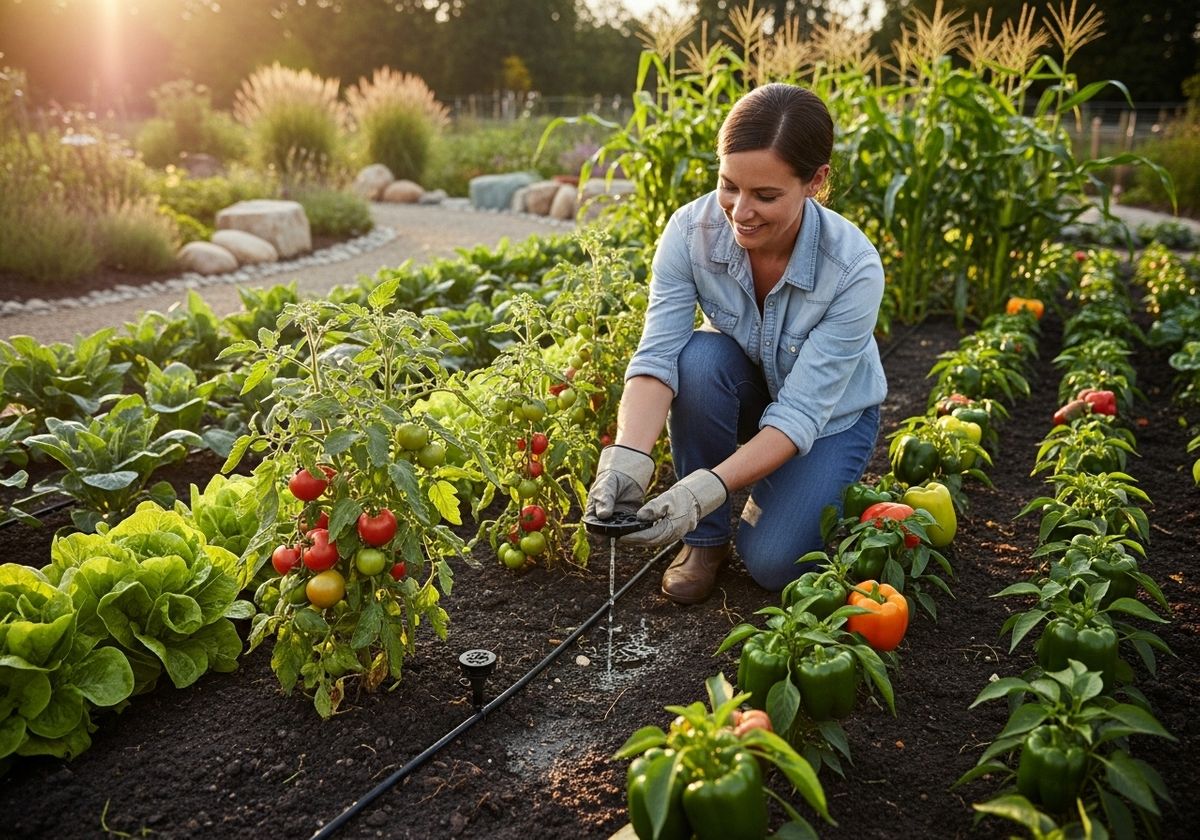
Investing in a new irrigation system is a significant decision for any homeowner or business, and Benninger Landscaping is here to ensure you get it right. A well-designed and properly installed system can save you time, money, and water while keeping your landscape lush and healthy. However, with so many options available, it's essential to know what to look for to make the right choice.
Assess Your Landscape's Needs
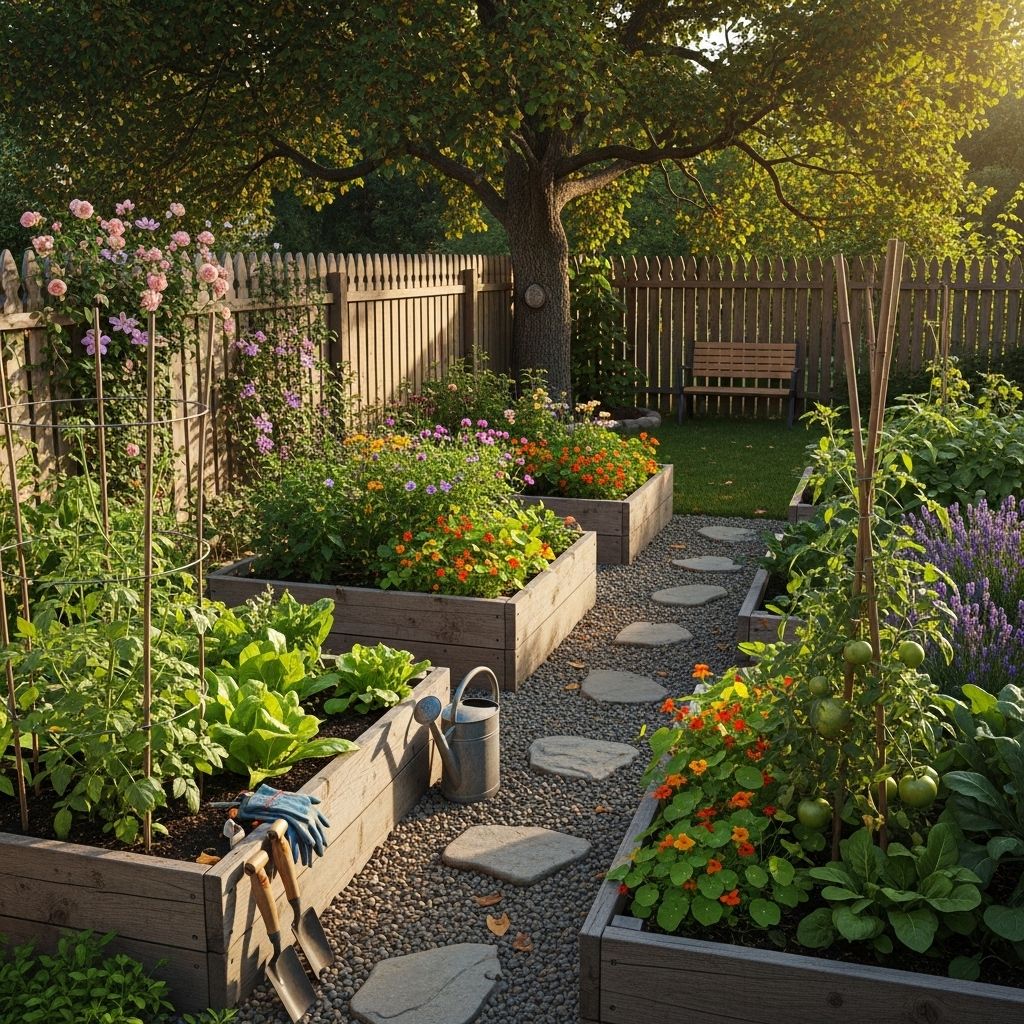
Before diving into the specifics of irrigation systems, take a comprehensive look at your landscape. Consider the following:
Size and Layout: Measure the area you need to irrigate. Note any variations in elevation, as this can affect water pressure and distribution. Also, map out the locations of plants, trees, and lawn areas.
Soil Type: Different soil types retain water differently. Sandy soils drain quickly, while clay soils retain water for longer periods. Understanding your soil type will help you determine the appropriate watering frequency and duration.
Plant Types: Different plants have different watering needs. Group plants with similar water requirements together to optimize your irrigation system's efficiency.
Water Source and Pressure: Check your water source's availability and pressure. Insufficient water pressure can lead to uneven watering, so it's crucial to ensure your system can handle your landscape's demands.
Types of Irrigation Systems
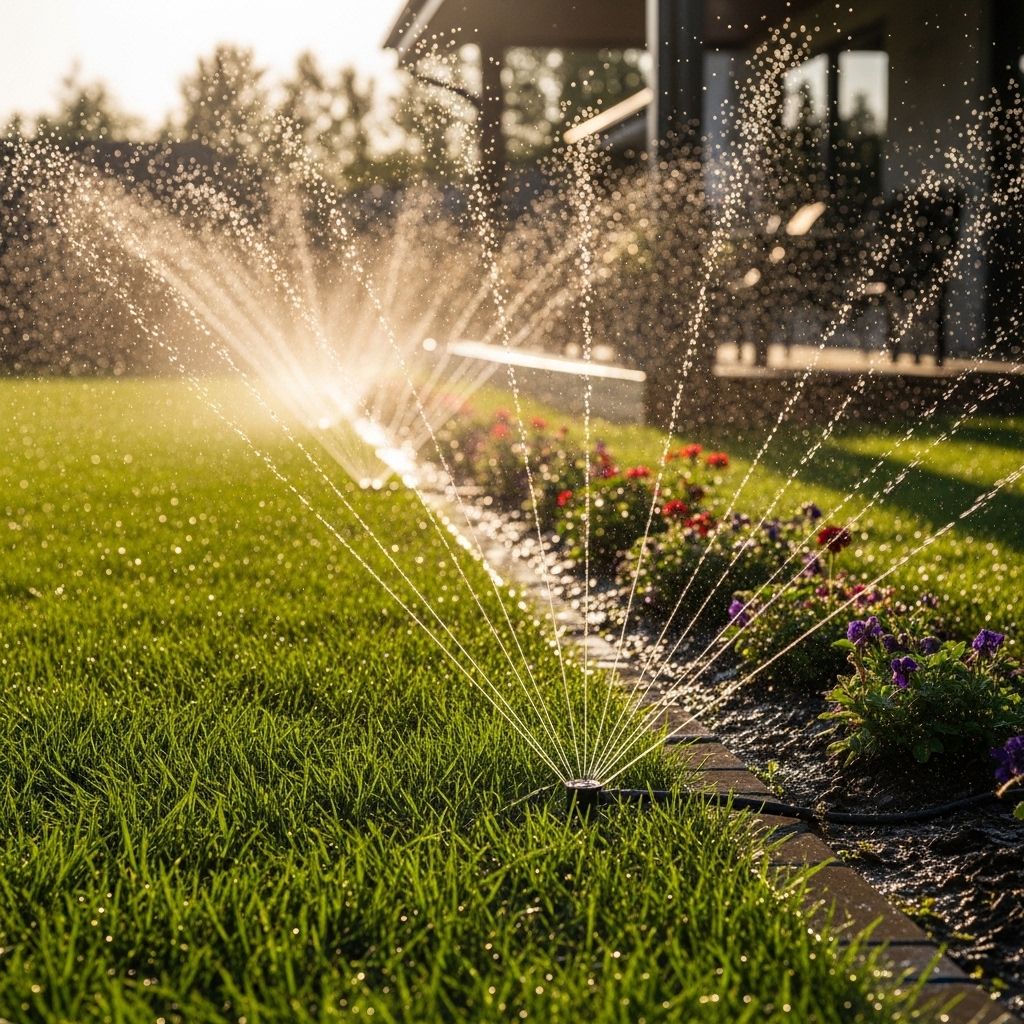
There are several types of irrigation systems, each with its own advantages and disadvantages. Here are some of the most common:
Sprinkler Systems: These systems use overhead sprinklers to distribute water across your landscape. They are suitable for lawns and large areas, but can be less efficient due to water loss from evaporation and wind.
Drip Irrigation: Drip irrigation systems deliver water directly to the plant's roots through a network of tubes and emitters. This method is highly efficient and reduces water waste, making it ideal for gardens, flower beds, and shrubs.
Micro-Sprayers: Micro-sprayers are similar to drip irrigation but provide a wider spray pattern. They are suitable for covering larger areas than drip emitters but are still more efficient than traditional sprinklers.
Key Features to Consider
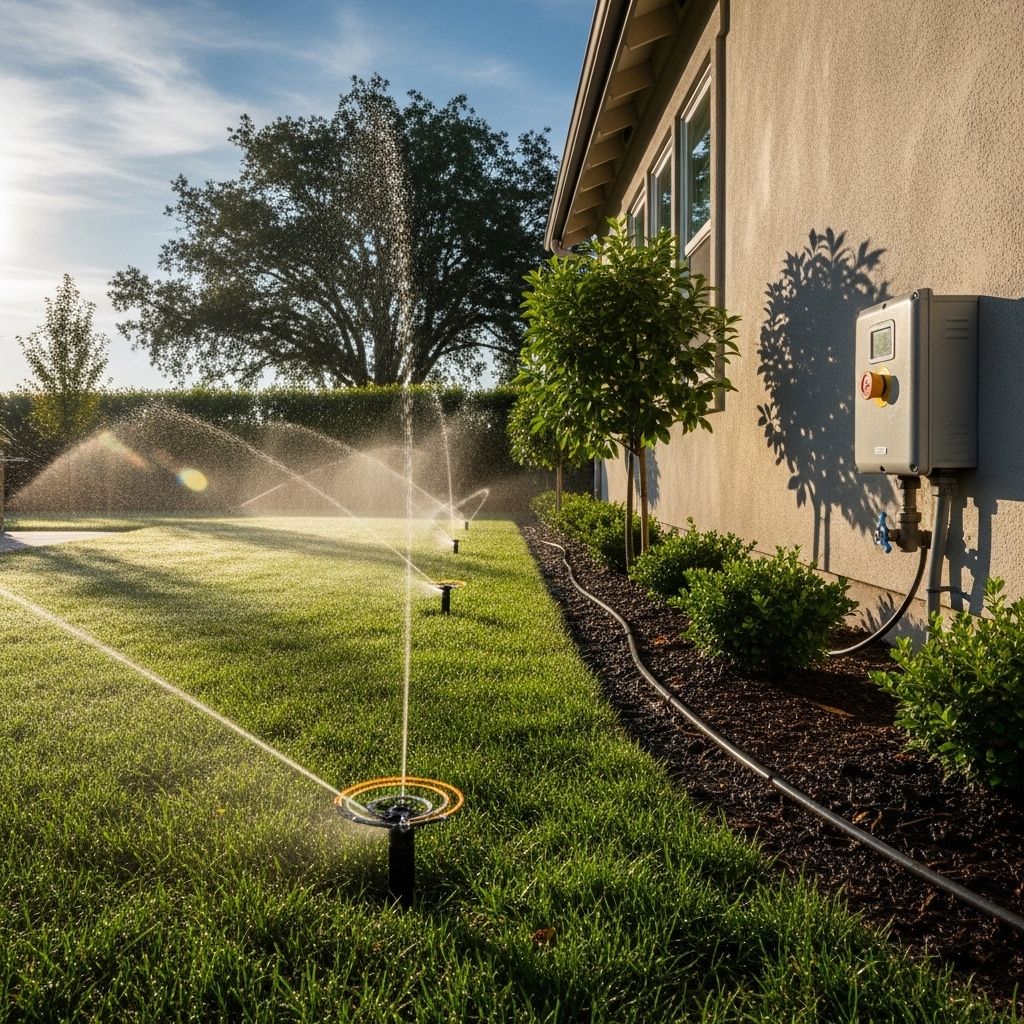
When evaluating different irrigation systems, keep the following features in mind:
Water Efficiency: Look for systems with high water efficiency ratings. Features like rain sensors, soil moisture sensors, and smart controllers can help you conserve water and reduce your water bill.
Zoning Capabilities: Zoning allows you to divide your landscape into different sections, each with its own watering schedule. This is particularly useful if you have plants with varying water needs.
Controller Features: The controller is the brain of your irrigation system. Look for controllers with user-friendly interfaces, programmable schedules, and remote control capabilities.
Durability and Maintenance: Choose systems made from high-quality materials that can withstand the elements. Consider the ease of maintenance and availability of replacement parts.
Installation and Maintenance
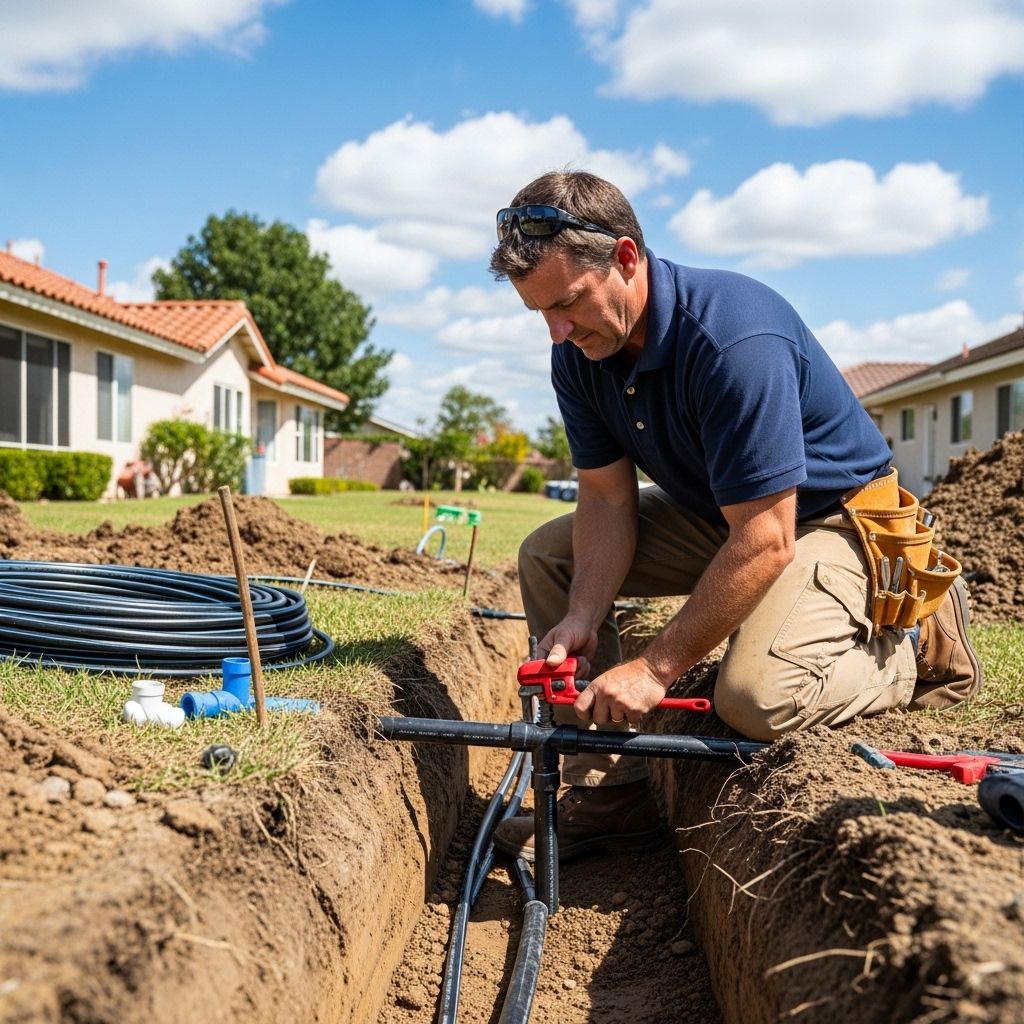
Proper installation is crucial for the optimal performance of your irrigation system. Unless you have extensive experience, it's best to hire a professional to install your system. A professional can ensure that the system is properly designed, installed, and calibrated to meet your landscape's specific needs.
Regular maintenance is also essential to keep your irrigation system running smoothly. This includes:
Checking for Leaks: Inspect your system regularly for leaks and repair them promptly.
Cleaning Emitters and Nozzles: Clogged emitters and nozzles can reduce water flow and cause uneven watering. Clean them periodically to ensure proper performance.
Adjusting Sprinkler Heads: Make sure your sprinkler heads are properly aligned and adjusted to avoid watering sidewalks or other non-plant areas.
Winterization: In colder climates, winterize your irrigation system to prevent freezing and damage.
Choosing the right irrigation system can seem daunting, but by carefully assessing your landscape's needs, understanding the different types of systems available, and considering key features, you can make an informed decision. Consistent quality in landscape design is the cornerstone of a thriving outdoor space. Contact Benninger Landscaping today to learn more about our services and how we can help you create the landscape of your dreams.